


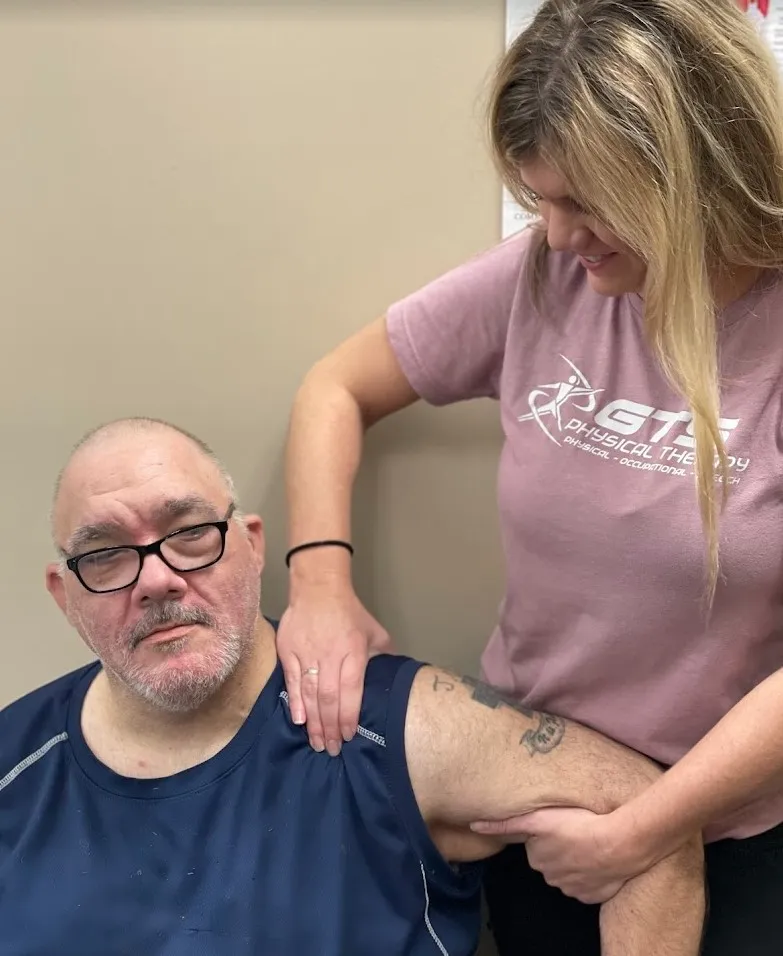
How Physical Therapy Can Help You Resolve Shoulder Pain
Have you been living with shoulder pain that wakes you up during the night? Do you find reaching overhead to be difficult and painful? You may be living with shoulder pain that can be resolved with physical therapy.
At GTS Physical Therapy, we have the solutions that you are looking for!
Our shoulders are the most flexible and movable joints in the body. The shoulder joint consists of a ball and shallow socket that allows for an impressive range of motion.
This mobility makes the shoulder more susceptible to injuries and pain because it depends on muscles to maintain stability and strength. When these muscles around the joint become weak or injured, the joint mechanics are affected, resulting in inflammation and pain.
Call GTS Physical Therapy today to schedule an appointment with one of our physical therapists so we can help you get back to your daily life, free of shoulder pains!
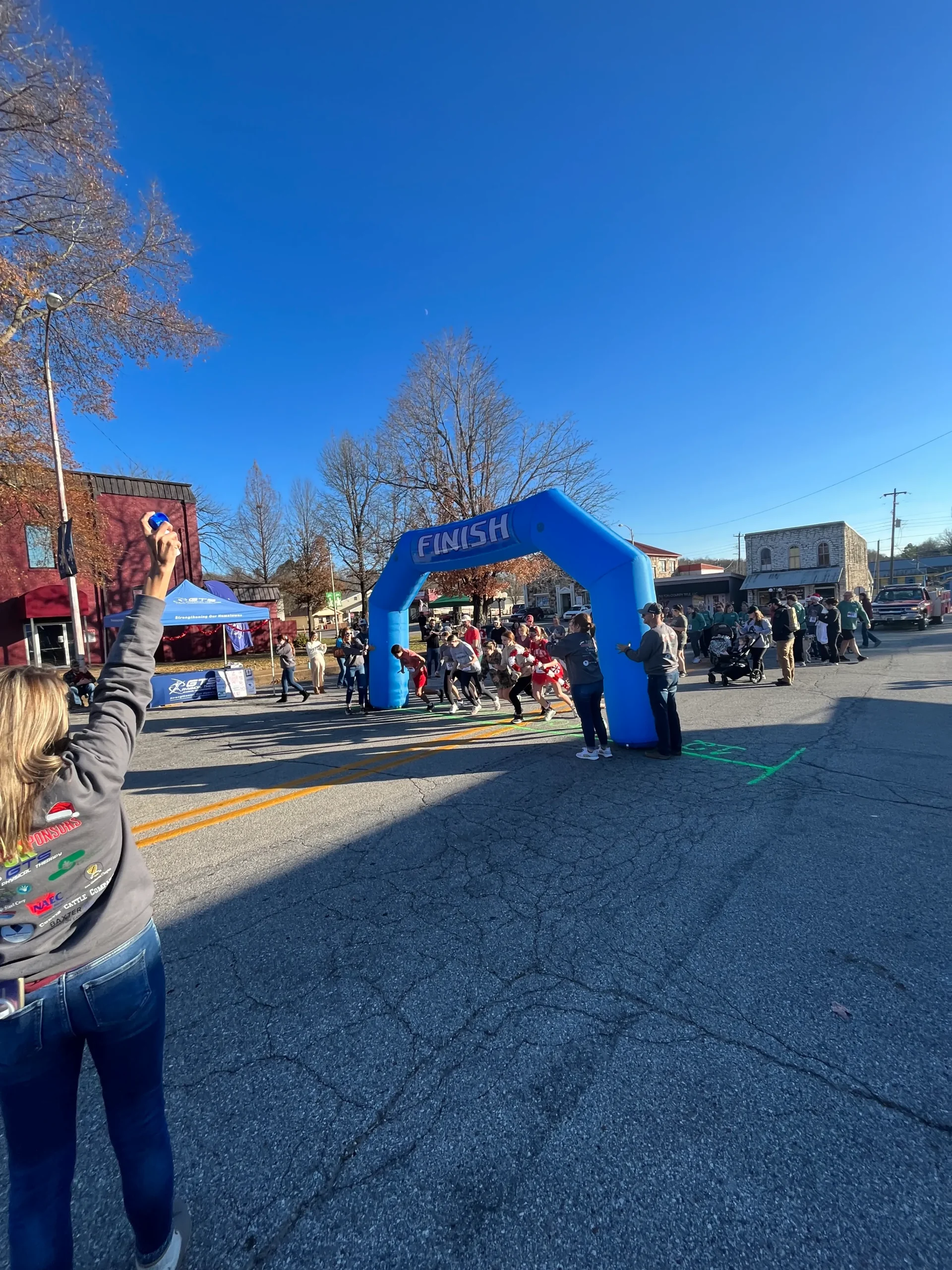
GTS 12 Days of Christmas 5K at Salem Arkansas on December 7th




Understanding Your Shoulder
Your shoulder is a ball-and-socket joint, meaning that the humerus (ball) fits perfectly in the corresponding space in the shoulder blade (socket). Each end of the bone is protected by thick cartilage that offers mild support and allows for fluid movement.
The shoulder has the following essential structures:
- The rotator cuff: This is a group of muscles surrounding the shoulder joint providing support and movement through a wide range of motion.
- The bursas: These are small sacs of fluid that cushion and protect the tendons from the bones.
- The labrum: This is the cartilage that helps reinforce the cup that the ball fits into.
Your shoulders can accomplish several physical feats due to their structure — however, this also means that they are at an increased risk of injury. When something becomes damaged in the shoulders, pain and discomfort develop. This pain may range from a dull ache to shooting pains, depending on the severity of the condition.
Staff Spotlight
Lori Mize, PT, DPT Director of Pelvic Health
Definition of Pelvic Health – Everything about bowel, bladder, reproductive, and sexual function
Dr. Lori Mize, PT, DPT, is a Board-Certified Specialist in Women’s Health Physical Therapy and the new Director of Pelvic Health Services at GTS. With a Doctorate in Physical Therapy from the University of Central Arkansas, Dr. Mize brings over 20 years of experience in clinical practice and teaching. She has presented and taught pelvic health at both national and international levels. Dr. Mize is passionate about education, advocacy, and wellness. She enjoys life on her family’s farm in Southside, Arkansas, where she lives with her husband and high-school sweetheart, Joseph. She loves to spend time with her 4 children and 4 grandchildren, gardening, exploring the outdoors, and traveling.


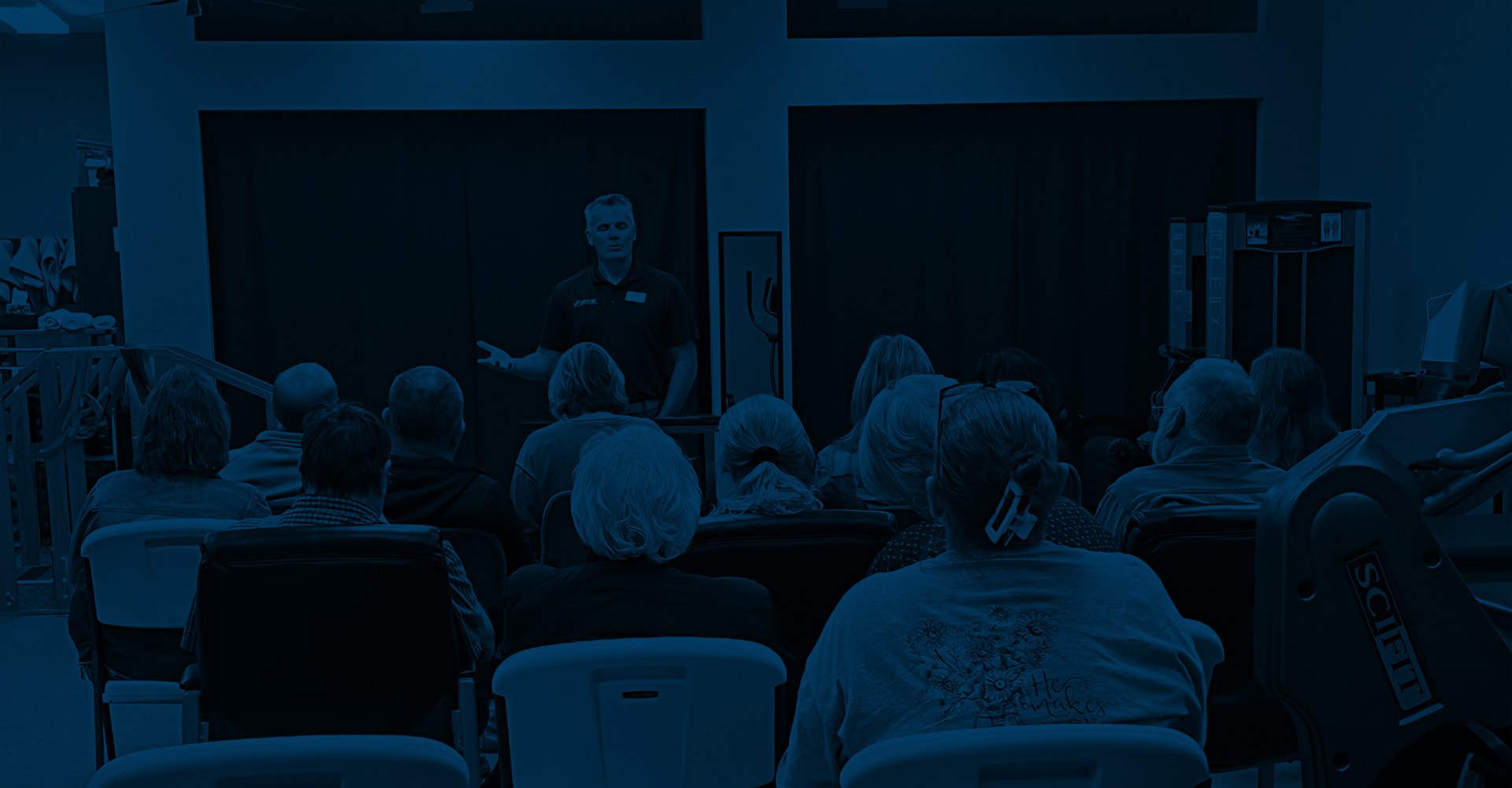
Strengthening Our Hometown
Become strong by attending one of our hometown workshops. Come out and attend our workshops! All are welcome, although spots are limited, so sign up today!
January – Shoulder Pain: January 21st at 4:00 PM
February – Neuropathy: February 18th at 4:00 PM
March – Knee Pain: March 18th at 4:00 PM
April – Balance: April 15th at 4:00 PM
Common Conditions That Cause Shoulder Pain
Pain from an acute injury can be sudden and intense, making it difficult for you to move your shoulder at all. Pain due to wear and tear or degenerative changes is often more achy and sore.
The most common conditions affecting the shoulder are:
- Strains: A strain occurs when a muscle or tendon is stretched too far or torn. Strains that are not resolved fully can lead to ongoing shoulder pain, making it difficult to partake in exercise or even daily tasks.
- Tendinitis: Tendinitis in the shoulder joint occurs when the joint is injured or overused. This typically happens due to the demands of a sport or labor-intensive job, which can cause the tendons to experience ongoing irritation.
- Cartilage injury: An injury to the cartilage will typically lead to a limited range of motion and may lead to decreased strength in the affected shoulder. Often you will experience pain when moving your arm in specific ways, but not others.
- Arthritis: Osteoarthritis and rheumatoid arthritis are the two most common types of arthritis. Osteoarthritis occurs when the cartilage in the shoulder joint experiences significant “wear and tear,” typically due to age or excessive overuse. Rheumatoid arthritis occurs when the immune system sees the joints as a threat, resulting in pain and inflammation. In both cases, pain and loss of motion are typical.
- Frozen shoulder: Medically referred to as adhesive capsulitis, a frozen shoulder can occur if you have been bedridden or your arm has been in a cast or sling for a while. Unfortunately, it can also happen without an apparent cause. This condition causes tissues to stiffen up and causes this painful condition to occur.
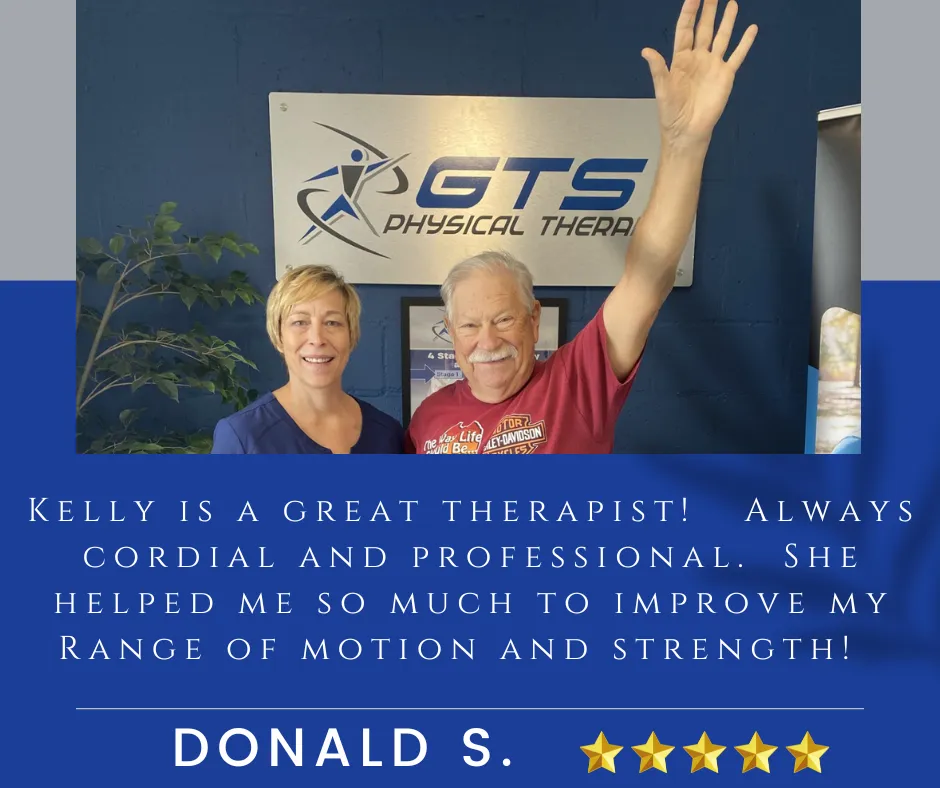
How Physical Therapy Can Help
Rehabilitation should start immediately following most injuries to ensure the fastest recovery possible. A physical therapist with experience treating shoulder pain will thoroughly evaluate the severity of your injury and identify any other limitations affecting your recovery, mobility, stability, or strength.
Our therapists at GTS Physical Therapy will create a targeted, individualized care plan to promote accelerated recovery and future injury prevention. Your physical therapist will guide you through a series of exercises designed to help the injury and return to your pre-injury abilities.
We will start with pain management and restoring mobility to the injured shoulder. Next, we will focus on progressing your strength and dynamic stability exercises designed to restore function and prevent injuries. We will also incorporate any appropriate pain relief technique to help ensure you can resume doing all the activities you love.
Sources: https://www.jospt.org/doi/full/10.2519/jospt.2020.8498, https://www.jospt.org/doi/10.2519/jospt.2015.0110, https://www.sciencedirect.com/science/article/abs/pii/S2468781218302479, https://www.ncbi.nlm.nih.gov/pmc/articles/PMC1283277
Call Today to Find Effective Shoulder Pain Relief!
Two of the biggest goals of physical therapy are to alleviate your pain and to improve your function. Your physical therapist will work with you to ensure that both are achieved throughout your physical therapy sessions.
If you are living with shoulder pain, don’t let it limit your life any longer. Call GTS Physical Therapy today to find relief once and for all!
Exercise of the Month
Shoulder Circumduction
Start by standing up straight. Place your fingertips on your shoulders with your elbows sticking straight out to your sides. Slowly begin making clockwise circles with your elbows without moving your fingers. Continue as directed and then switch directions. Repeat 3 sets of 10 reps each.