

Relieving Arthritis Pain
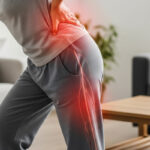
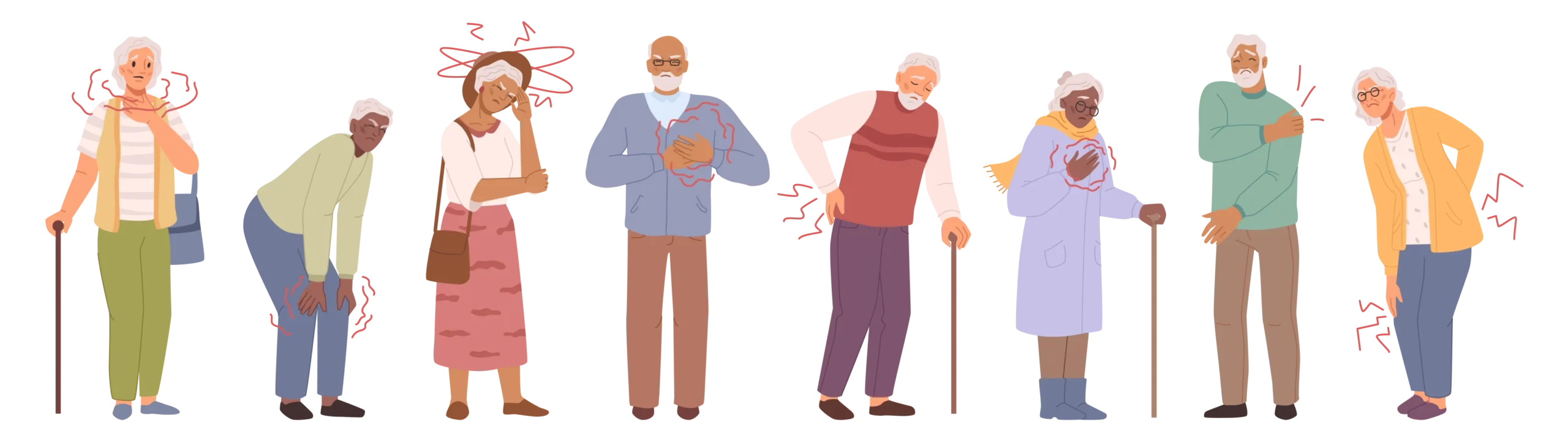
Are you experiencing pain in your groin or stiffness in your back? Do you find it painful to go up and down stairs? Are these symptoms making it difficult for you to go about your daily routine?
You could be suffering from osteoarthritis.
Osteoarthritis is the most common form of arthritis, affecting nearly 30 million nationwide. OA is a degenerative joint disease often described as “wear and tear” arthritis. Repetitive movement and prior injuries also contribute to the condition.
Early on, the condition is most commonly associated with stiffness and aches after prolonged rest and inactivity. As the condition advances, inflammation leads to pain and loss of motion in the joints.
While arthritis can be debilitating, there’s a lot that you can do to alleviate the pain and improve your function, joint movement, muscle strength, balance, and coordination. It’s even possible to eliminate symptoms, depending on the amount of arthritis you have.
Call our clinic today to make an appointment. With guidance from your physical therapist, you can find solutions to your pain and get back to living the life you enjoy!


Community Giving: The 12 Days of Christmas 5K Supports Salem’s Greyhound Care Closets
We are excited to share that the 12 Days of Christmas 5K, with the generous support of our sponsors and participants, was a tremendous success! The event raised $2,000, which has been donated to support the Greyhound Care Closets at both Salem High School and Salem Elementary.
These funds will directly benefit students, providing essential resources such as clothing, food, and other necessities. We are proud to be part of a community that comes together to support our local schools and ensure that all children have access to the care and resources they deserve.
A huge thank you to everyone who participated and sponsored this meaningful event. Your support is making a real difference in the lives of students in our area!
What Is Arthritis, Exactly?
Osteoarthritis is also known as degenerative joint disease. The main characteristics are the loss of articular cartilage and joint disability. It is known as the “wear and tear” form of arthritis. The breakdown of the cartilage affects the whole joint, causing inflammation, bone/joint structural changes, and bone spur formation.
Primary osteoarthritis has no known cause, but almost 30–65% is thought to be genetically determined. Secondary osteoarthritis mainly comes from traumatic events. Despite the differences in the causes, the two types of osteoarthritis progress in similar directions, ultimately resulting in the loss and destruction of articular cartilage.
Typical symptoms include pain, muscle weakness, joint instability, brief morning stiffness, crepitus (i.e., noises like snaps and pops), and physical inactivity.
Exercise of the Month
Seated Sciatic Nerve Tensioner
3 Sets, 10 Reps, 0 Hold
Sit in a chair with one foot flat on the ground and the foot on the side you want to work flexed with your toes pointing towards your face. Lift one lower leg by lightly contracting the upper thigh while simultaneously lowering your head, slowly tucking your chin towards your chest, and exhaling. Slowly return to start.

Hometown Strong 2025
We want our community to have a say in our monthly donation program. Watch this video for more info!
Strengthening Our Hometown
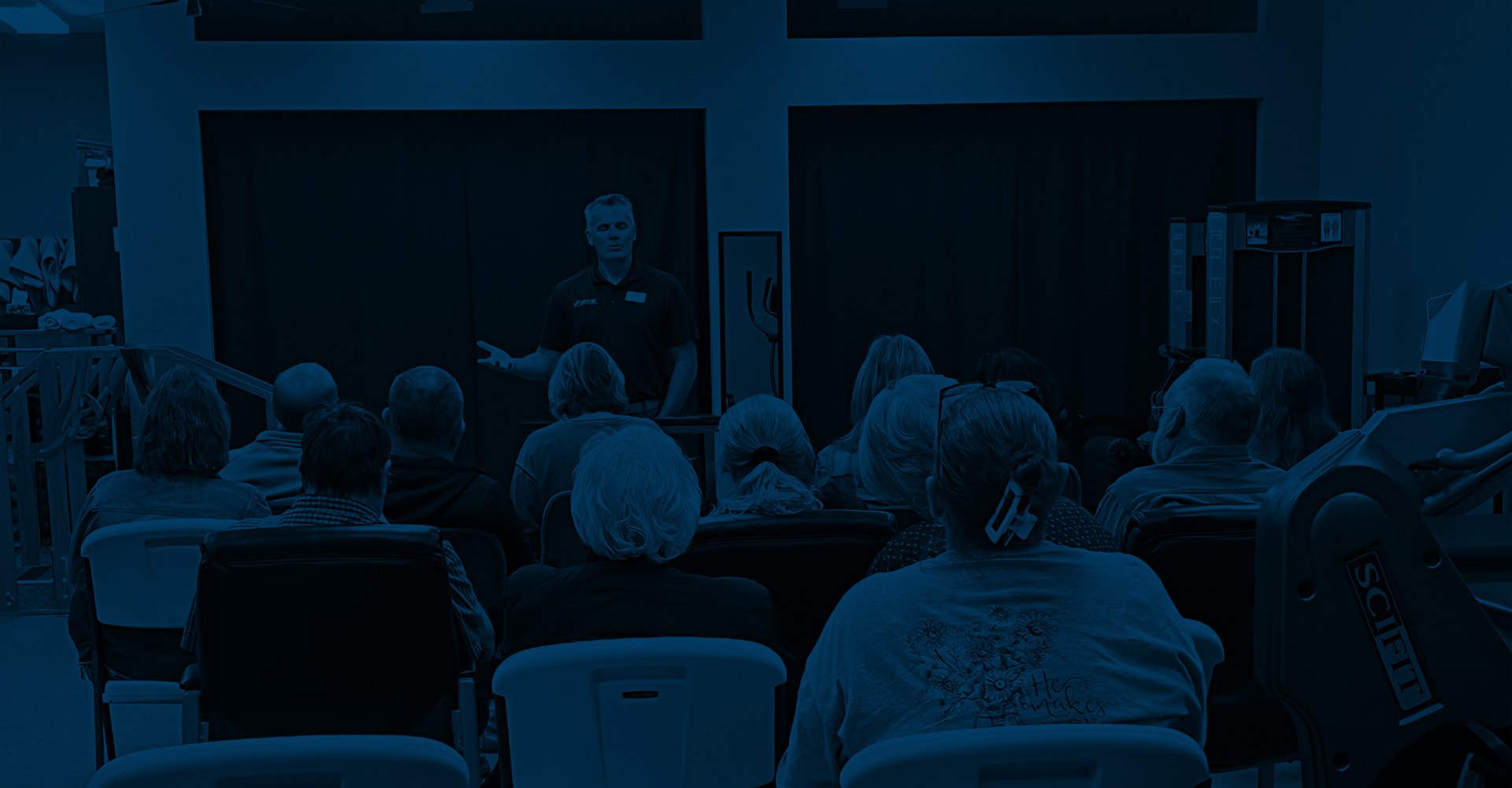
Become strong by attending one of our hometown workshops. All are welcome, although spots are limited, so sign up today!
Upcoming Workshops for 16 Clinics
March – Knee Pain: March 18th at 4:00 PM
April – Balance: April 15th at 4:00 PM
Jonesboro
March – Knee: March 18th at 4:00 PM
April – Balance: April 15th at 4:00 PM
Bentonville
March – Neuropathy: March 18th at 4:00 PM
April – Balance: April 15th at 4:00 PM
What Causes Osteoarthritis?
There is increasing evidence that different risk factors are associated with osteoarthritis, including:
- Obesity
- Genetic predispositions
- Sociodemographic characteristics (e.g., female gender, African-American race)
- Specific bone/joint shapes
There are also physical risk factors associated with increased osteoarthritis including:
- Joint injury
- Participation in certain occupational activities (i.e., repetitive movements like bending or prolonged positions like sitting/driving)
- Participation in sports (i.e. contact sports)
- Thigh flexor muscle weakness and knee osteoarthritis
- Joint malalignment
Although aging is one of the most significant risk factors for osteoarthritis, obesity is also a major contributor to developing osteoarthritis. Obese patients have extra weight on their bodies that add to cartilage breakdown.
Recent research suggests that unhealthy diets are associated with systemic inflammation. This inflammation is responsible for a 2.5 times higher likelihood of experiencing knee pain than patients with healthy weight and diets and similar cartilage damage.
However, this cycle can be broken by improving joint movement, muscle strength, balance, and coordination, reducing pain and inflammation.
How Physical Therapy Can Help Arthritis
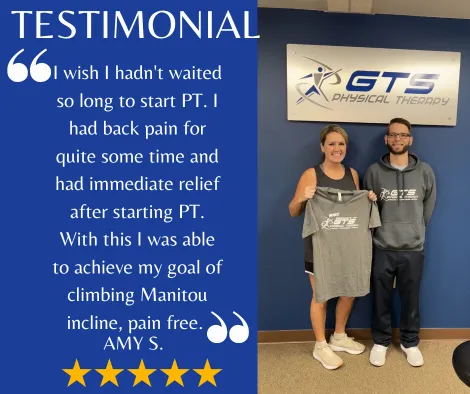
Your physical therapist will assess your particular condition to identify the contributing factors and address all of them. Regardless of the cause of arthritis, physical therapy plays a significant role in treating arthritis symptoms and should be the first step.
Your therapist can educate you on how regular physical activity and individualized exercise programs can reduce your pain, prevent the condition from worsening, and improve daily function.
Physical therapists can also help you choose healthier lifestyles for losing weight if you are overweight or obese. In addition, your PT can guide you on ways to maintain a healthy weight using diet changes and exercise.
In many cases, physical therapy can help patients by choosing specific exercises and designing appropriate strengthening exercises that improve your function without aggravating your pain. Your therapist can help you reclaim a healthy lifestyle. From start to finish, we’re dedicated to your ongoing well-being. On every level, physical therapy serves to enhance the patient’s quality of life.
Sources: https://pubmed.ncbi.nlm.nih.gov/32364594/, https://www.ncbi.nlm.nih.gov/pmc/articles/PMC5832048/, https://www.hopkinsarthritis.org/arthritis-research/, https://www.frontiersin.org/articles/10.3389/fimmu.2021.631291/full, https://www.sciencedirect.com/science/article/pii/S106345841931297X, https://pubmed.ncbi.nlm.nih.gov/25785564/, https://journals.lww.com/co-rheumatology/Abstract/2018/03000/Epidemiology_of_osteoarthritis__literature_update.5.aspx
Call Our Clinic Today
Contact one of our providers today, and tell us about your symptoms. We offer the results you are looking for!

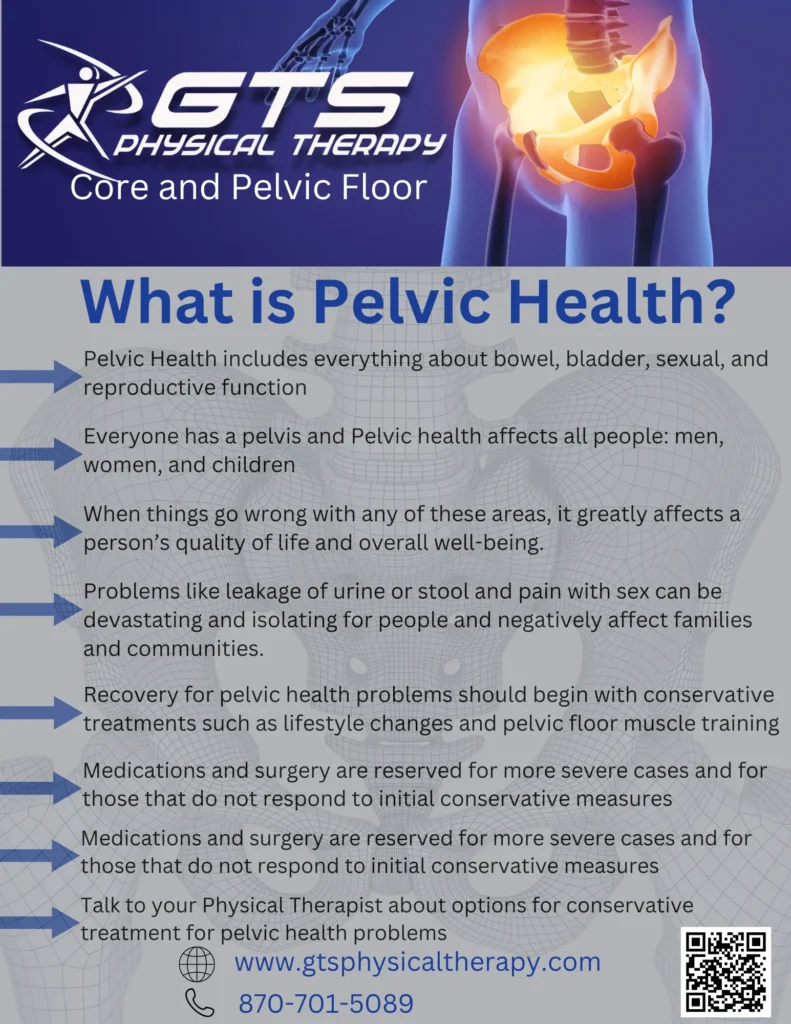
Heal Naturally with PRP Therapy!
Struggling with pain or slow healing? Platelet-Rich Plasma (PRP) Therapy harnesses the power of your own blood to accelerate recovery, reduce inflammation, and stimulate tissue repair—all without surgery!
✅ Safe & natural
✅ Speeds up healing
✅ Minimizes pain & inflammation
Ready to feel your best? Call 870-701-5089 or visit gtsphysicaltherapy.com to book your PRP session today! 🔬💪
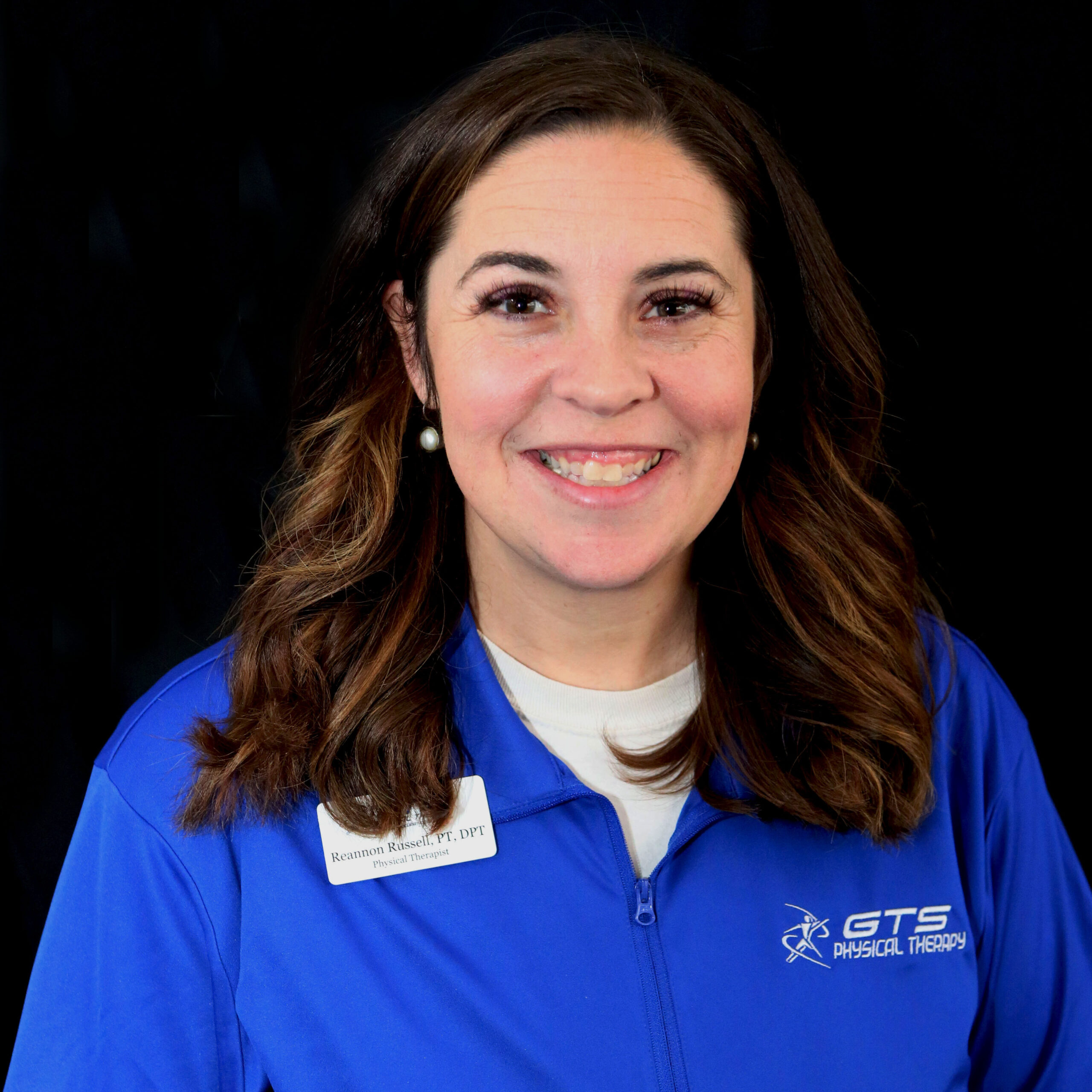
Employee of the Month
Reannon Russell, PT, DPT
Reannon is the lead PT at both the GTS Melbourne Clinic and GTS Calico Rock clinic. She joined GTS in June of 2018. She is a 2012 graduate of the University of Central Arkansas where she received her Doctorate in Physical Therapy. She has over 12 years of physical therapy experience ranging from pediatrics to geriatrics in a variety of settings from Early Intervention and public school to acute rehab, home health, and outpatient. Reannon is certified in LSVT BIG – a treatment approach for Parkinson’s Disease to restore functional mobility and independence, Dry Needling, and Manual Lymphatic Drainage. She resides in Melbourne with her husband of 10 years, Joe.
Reannon is the “Employee of the Month” for the month of February she was nominated by Angie Cadenbach, PT, DPT of the GTS Mountain Home clinic.
Angie said “Reannon is always ready to come help and usually brings coffee! She is always fun to work with as well!”
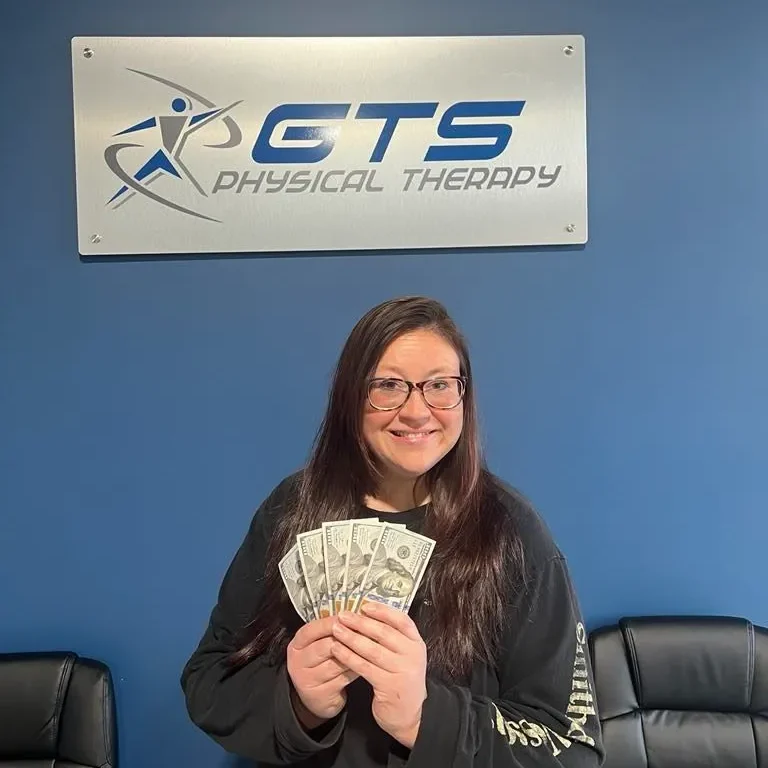
Winner of the $500 HomeTown Strong Giveaway for the month of January
Tiffany Preston
“I won $500 in a drawing from GTS Physical Therapy!!
They also let me pick a charity to donate another $500 to and I chose the local branch of the Arkansas Paws in Prison Foundation.
This money is such a blessing for my daughter and me right now and I cannot express how grateful I am to them.”
HomeTown Hero
Arkansas Paws for Prison received a generous $500 donation from GTS Physical Therapy, selected by Tiffany Preston. The funds will go toward providing food, toys, and other necessities for the dogs at the Arkansas State Prison Calico Rock unit.
3 Simple Movements to Help Alleviate OA Pain
If you have osteoarthritis, it’s important to stay active to help keep your joints healthy. While our physical therapists can help you develop a suitable exercise program, you can also incorporate movement in small ways throughout the day.
These simple exercises will help mobilize your joints, and you can easily do them at home. Of course, check with your PT before starting anything new!

Ankle Circles
While sitting in a chair, stretch your feet out in front of you, keeping them neutral (neither pointed or flexed). Gently tilt both feet in one direction, then repeat in the other.
Knee Raises
Sit on the edge of your chair with your back straight and your feet planted on the floor. Slowly lift your knee as high as possible without bending your back, guiding it up with your hands if necessary. Then, making sure to keep your core tight, gently lower your foot back to the floor. Repeat on the other side.
Overhead Shoulder Stretches
You can do this exercise sitting or standing. Hold your arms at your side, your elbows bent at a 90-degree angle and your thumbs pointed toward your shoulders. Then, stretch your arms straight overhead and slowly lower back down.
If lifting both arms is too difficult, lift them one at a time. You can guide your arm up under the elbow if necessary.
Looking for more simple arthritis stretches? Call GTS Physical Therapy for an appointment today!
Source: https://arthritis.ca/living-well/2020/top-10-arthritis-exercises