


Determining The Origins of Your Pain
Are you tired of dealing with pain day in and day out? Have you been struggling with persistent pain for months or even years, and it’s taking a bigger and bigger toll on your life? For some people with pain, the simplest tasks are now major challenges, and over-the-counter and/or prescription pain meds don’t seem to provide any relief.
Unfortunately, this is a common experience for millions of Americans. Recent research has found that over 100 million people suffer from persistent pain each year. This is where GTS Physical Therapy steps in.
At GTS Physical Therapy, we understand that pain comes in various forms, affecting people in unique ways. We’re committed to staying at the forefront of the latest advancements in pain management, ensuring that our patients receive the best care possible.
We know that pain can be overwhelming, but we’re here to remind you that there is hope!
Understanding Different Types of Pain
Pain is a complex sensation, and it can be categorized into five main types, each with its own characteristics and underlying mechanisms. Here’s an explanation of these types:
Nociceptive Pain:
This type of pain results from the stimulation of specialized nerve sensors called nociceptors. Nociceptive pain is often described as sharp, aching, or throbbing and is typically localized. It can be acute, like when you accidentally bump your knee, or chronic, as seen in conditions like arthritis.
Central Pain:
Central pain arises from dysfunctions within the central nervous system (i.e., the brain and spinal cord). Central pain starts inside the central nervous system itself. Examples include fibromyalgia and pain associated with spinal cord injuries.
Neuropathic Pain:
This pain type is caused by nerve damage or dysfunction. It may manifest as burning, tingling, or shooting sensations. It is typically associated with conditions like diabetic neuropathy or nerve injuries (i.e., sciatica).
Psychosocial Pain:
Psychosocial pain involves mental and/or social factors influencing pain perception. Stress, anxiety, depression, and social support (or lack thereof) can significantly influence how pain is experienced. It is not directly tied to tissue damage but is due to mental and emotional states.
Movement System Pain:
This pain is directly related to the biomechanics of movement, such as issues with joint positions or control and/or muscle imbalances. Physical therapists often work with this type of pain, prescribing targeted exercises to correct movement dysfunctions contributing to the discomfort.
Regardless of the type of pain you’re dealing with, our therapists will work with you to identify and target the sources of your pain. We’ll use gentle techniques and exercises to address these issues and help you find relief.
Finding Relief from Pain with Physical Therapy
When you come to a physical therapy session at GTS Physical Therapy, you’re taking a significant step towards finding relief from pain and improving your overall well-being. Your first session will typically begin with questions about your medical history, the specific nature of your pain, its location, and any factors that make it better or worse.
After discussing your medical history, your therapists will evaluate your posture, muscle strength, range of motion, and any areas of tenderness. They’ll also assess your movement patterns to identify any abnormalities or dysfunctions.
Based on the information gathered during the evaluation, your physical therapist will work to identify the underlying issue causing your pain. This may involve determining the type of pain (e.g., nociceptive, neuropathic, or movement system-related) and its primary sources.
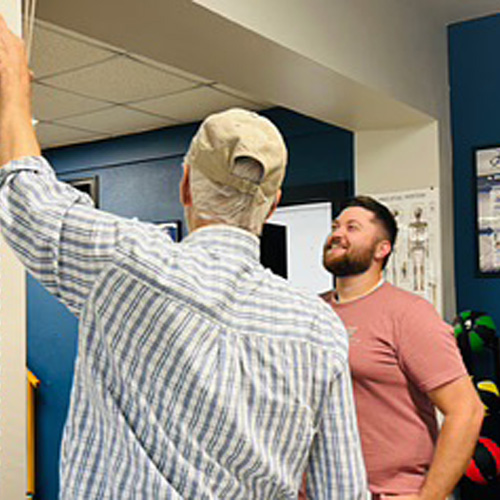
Once your therapist has a clear understanding of your condition, they will create a personalized treatment plan tailored to your needs. Our treatments may include manual therapy techniques to release tension and improve joint mobility. Exercise is another crucial component, tailored to your specific needs and designed to correct any movement dysfunctions. Education plays a vital role in empowering you with the knowledge and tools to manage your pain effectively.
Patients are often fearful of making their condition worse. As a result, they often either do nothing or get so frustrated that they ignore clear warning signs and push through. In either case, the result is more suffering. The key is to find a balance in the middle, where you do just enough to improve but not enough to make it worse.
At GTS Physical Therapy, our therapists will help you find that balance, guiding you through the steps you need to take to feel good again!
Taking Physical Therapy “Literally”
Exercise of the Month
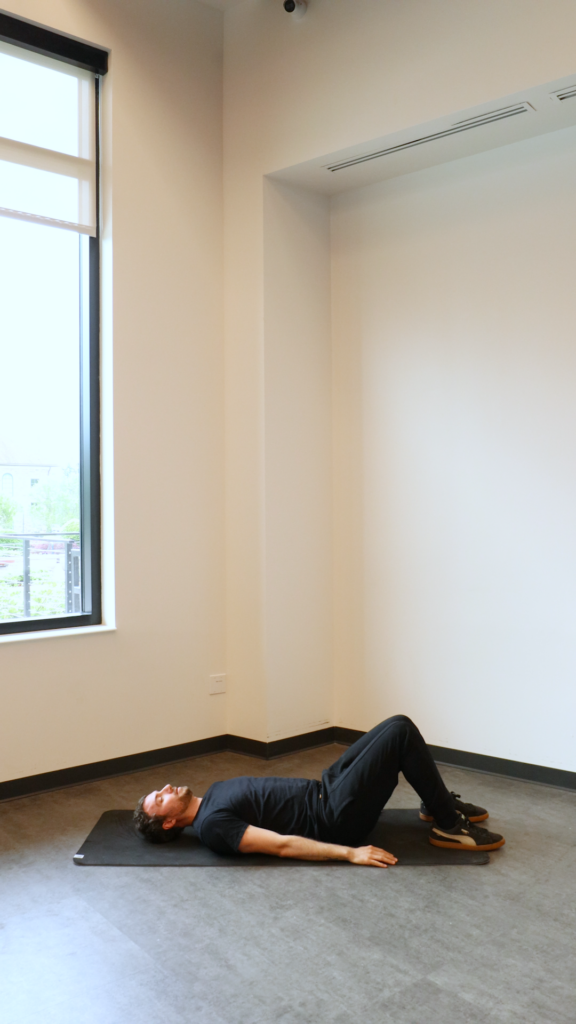
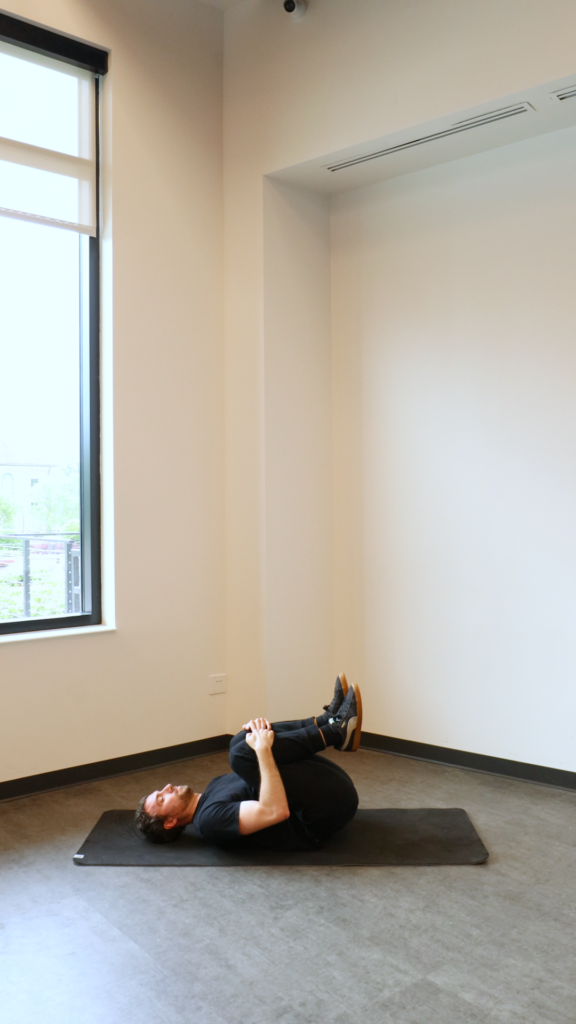
DOUBLE KNEES TO CHEST
(Lower Back Pain Relief)
Start on your back with your knees bent. Slowly bring both knees to your chest. Grasp your knees. Hold for 30 seconds and repeat.
1 Set, 3 Reps
Teammate of the Month
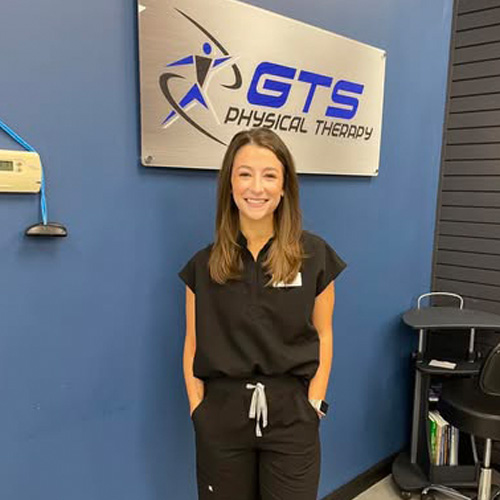
Since Anna started here at GTS Jonesboro, she has made a tremendous impact on her patients, her coworkers, and her community. She has been making waves and defied belief with her compassion, dedication, and love for her craft. She never stops smiling and is the brightest light to all those around her. It is truly remarkable the difference she has made here, and we couldn’t be more proud to call her our Occupational Therapist.

Strengthening Our Hometown
Become strong by attending one of our hometown workshops.
All are welcome, although spots are limited, so sign up today!
April 21st 4pm
Rotator Cuff Workshop
Highland
Neuropathy Workshop
Salem, Bentonville, Mountain Home, Paragould, Jonesboro, Pocahontas, and West Plains

Are you looking forward to starting running again after a long winter? At GTS Physical Therapy, our therapists understand running injuries, and we will make sure you run pain-free this spring!
Runners are often misled into believing unproven solutions to avoiding pain and injury. Not many people know that the number-one risk factor for runners to sustain an injury is having had an injury in the last 12 months.
The other most common risk factors are:
- Running experience of 0–2 years
- Restarting running after extended rest
- Overtraining (i.e., more than 40 miles per week)
To ensure you can get back to running or increasing your mileage without pain or injury, start with an injury evaluation and a biomechanical assessment to identify any factors that could contribute to pain or injury.
Our therapists will take a thorough history to understand your training schedule, previous injuries, and overall health status. We use this information to create an individualized program to alleviate pain and get you back to running without limits.