

Enhance Sports Recovery with Massage Therapy
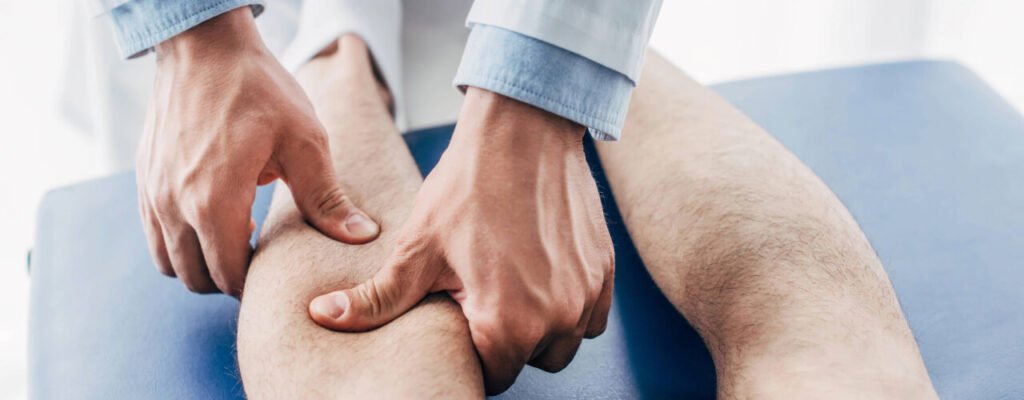
Massage therapy for sports recovery plays a crucial role in helping athletes recover from intense training, reduce muscle soreness, and prevent injuries. Without proper recovery, muscle fatigue, tightness, and minor injuries can accumulate, leading to decreased performance and a higher risk of injury.
At GTS Physical Therapy, our sports massage therapists provide tailored treatments to reduce pain, improve flexibility, and promote faster muscle recovery. By following a structured recovery approach, athletes can optimize performance, prevent injuries, and maintain long-term physical health.
Five Steps for Athletes Looking To Enhance Their Recovery
Step 1: Reducing Muscle Tension and Enhancing Circulation
After intense physical activity, muscles tighten and accumulate metabolic waste, causing soreness and stiffness. The first step in sports massage is to release muscle tension and improve circulation, allowing oxygen and nutrients to reach healing tissues faster.
Massage techniques that improve circulation include:
Effleurage
- Long, gliding strokes stimulate blood flow and promote relaxation.
Deep Tissue Massage
- Breaks down adhesions and relieves chronic muscle tightness.
Myofascial Release
- Loosens connective tissues that restrict movement.
Increased circulation removes toxins and metabolic waste, supporting faster muscle recovery after training or competition.
Step 2: Improving Range of Motion and Flexibility
Limited mobility restricts movement efficiency and increases injury risk. Athletes need optimal flexibility for explosive power, agility, and endurance. Massage therapy:
- Loosens stiff muscles that may restrict movement.
- Addresses muscle imbalances that lead to improper mechanics.
- Enhances tissue elasticity, reducing the risk of strains and sprains.
At GTS Physical Therapy, our massage therapists target restricted areas and restore full movement capacity, ensuring athletes move efficiently and pain-free.
Step 3: Supporting Muscle Recovery and Preventing Injury
Proper recovery prevents injuries. Without it, small issues like tightness and soreness can develop into chronic pain or serious conditions. Massage therapy for sports recovery:
- Decreases delayed onset muscle soreness (DOMS) by reducing inflammation.
- Breaks down scar tissue to restore muscle function.
- Activates the parasympathetic nervous system, which promotes deep tissue healing.
Athletes who integrate regular sports massage sessions experience fewer injuries, improved recovery times, and greater long-term performance gains.
Step 4: Alleviating Pain and Supporting Mental Relaxation
Muscle pain and tension can negatively impact an athlete’s physical and mental performance. Massage therapy provides natural pain relief by:
- Stimulating endorphin release, the body’s natural pain relievers.
- Targeting trigger points, alleviating pain from overused muscles.
- Promoting relaxation helps the body recover from stress.
Athletes who incorporate massage therapy into their recovery routine report reduced stress, better sleep, and improved overall well-being.
Step 5: Creating a Recovery Plan That Works for You
Each athlete has unique recovery needs based on their sport, training intensity, and previous injuries. At GTS Physical Therapy, our massage therapists design customized recovery plans to support long-term performance.
This may include:
- Pre-event massage to enhance circulation and warm up muscles.
- Post-event massage to reduce soreness and speed recovery.
- Regular maintenance massage for ongoing performance optimization.
By following a structured recovery plan, athletes can train harder, recover faster, and avoid injury setbacks.
Common Mistakes to Avoid
Many athletes make recovery mistakes that slow down healing. Some of the most common errors include:
- Skipping massage therapy and relying only on stretching.
- Waiting too long after an injury before seeking treatment.
- Neglecting hydration, which slows down muscle repair.
- Ignoring chronic tightness, which leads to compensatory movement patterns.
By prioritizing massage therapy for sports recovery, athletes can prevent small issues from becoming long-term injuries.
Encouragement & Next Steps: Maximize Your Athletic Performance
Whether you’re recovering from an intense training session, competition, or an injury, massage therapy can enhance your recovery process.
At GTS Physical Therapy, our experienced massage therapists work with athletes to reduce muscle soreness, improve flexibility, and support faster healing.
Don’t let fatigue and tight muscles hold you back. Contact GTS Physical Therapy today to schedule massage therapy for sports recovery and keep your body performing at its best!