

How Physical Therapy Can Help Sports Injuries This Spring
At GTS Physical Therapy, we are experienced in dealing with all spring sports season injuries and can give you the programs to prepare you for the season and prevent new injuries! Are you looking forward to getting out on the courts? Do you look forward to golf or the start of baseball/softball season?
The winter seasons can be sedentary and lead to more aches, pains, and discomfort than one may think. Fortunately, the warm weather is a great time to get outdoors and play sports.
If you find yourself in pain from a throwing injury or a bad swing of the club or racquet this spring, or you’d like to discuss ways you can get in shape to prevent any injury, don’t hesitate to contact GTS Physical Therapy.
Whether you are a young athlete or have played sports for decades, our physical therapists know how to treat your injuries and get you back in the game.

Common Causes of Sports-Related Injuries
Injuries are a part of sports, but you can resolve them quickly and get back to doing what you love with a proactive approach to rehabilitation. Most athletes learn that taking care of issues when they are small leads to a faster recovery.
Many people think sprains and strains are the same, but they describe damage to different tissues. Tendons are tissues that connect muscles to bones, and ligaments are tissues that connect bones to the bone.
- Sprains occur when a ligament is stretched beyond its limits or torn.
- Strains occur when a tendon is stretched beyond its limits or torn.
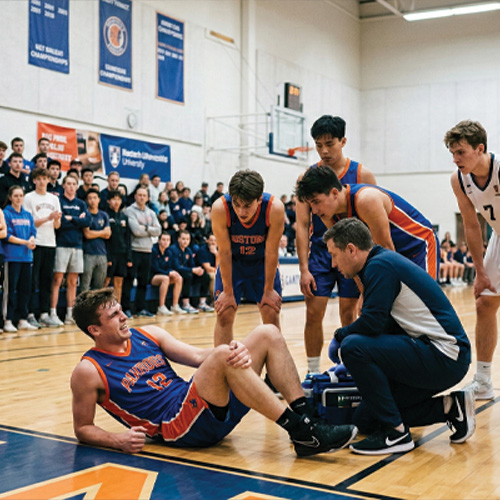
Sprains are typically the result of a trauma, a deceleration (slowing down) movement, or a sudden change in direction. The most common symptoms include pain, inflammation, muscle spasm, and sometimes an inability to move the joints where the injury occurred.
Ankle sprains are often the result of a faulty step while running or stepping on uneven terrain. The injury occurs when the ankle rolls, twists, or turns awkwardly to the outer aspect of the ankle (i.e., lateral ankle sprain). This sudden stretch leads to partial or complete tearing of the ligaments supporting the ankle joint. The severity of the injury will determine the degree of pain, inflammation, and ability to move the joints where the injury occurred.
Approximately 85% of ankle sprains are inversion sprains (i.e., rolling outward). This injury damages the outside (lateral) ligaments and may lead to restrictions on how the joint moves. The joint restrictions will, in turn, affect the athlete’s ability to tolerate running and jumping and may also lead to chronic ankle instability and new injuries that impact an athlete’s ability.
It is important to note that it is in your best interest to have a physical therapist make sure a sprain is fully healed before returning to your normal level of physical activity. Regardless of the type and nature of your sports injuries, our team can help!
The Hearts Behind the Healing
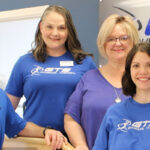
At the heart of every great therapist is a passion for helping people move and live better, and that’s exactly what inspired Emily Crawford, Tiffany Reed, and Tommy Adams to pursue their careers in therapy.
What to Expect from Physical Therapy
The overall goal of physical therapy is healing and prevention. In addition to treating the injury, our physical therapists will help resolve any pain, restore motion and strengthen the affected area to prevent additional injury.
An effective rehabilitation program depends on a thorough history to understand the exact nature of the injury and the athlete’s goals. We use the information gathered in the initial evaluation to identify the underlying condition and pathology of the symptoms.
The initial stages of physical therapy will focus on restoring any lost motion, reducing the swelling, and using all available treatments to alleviate any pain you may experience.
Your physical therapist will incorporate manual techniques and modalities to reduce pain and inflammation before initiating active rehabilitation. Our programs focus on correcting dysfunction and/or improper technique and equipment.
Dysfunctional movement patterns can last for years, leading to re-injury and other injuries. Our therapists will design a comprehensive program that includes restoring range of motion, strengthening, neuromuscular control, proprioceptive responses, and sports-specific exercises. We will look for any changes in your gait pattern that may make it difficult for you to move around freely.
Our physical therapists will show you therapeutic exercises to address any underlying issue, such as a weakness that may be contributing to altered movement patterns, balance issues, and overall susceptibility to more injuries. We will perform a comprehensive assessment to ensure we provide the tools you need to enjoy the sport you love!
Exercise of the Month
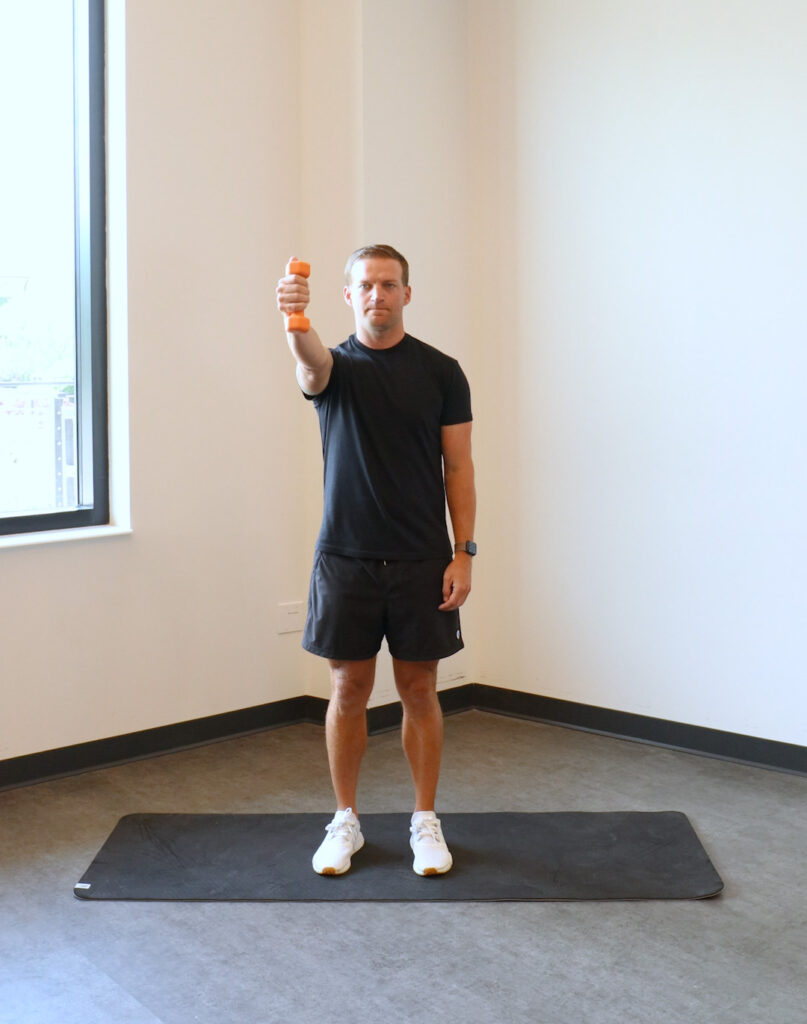
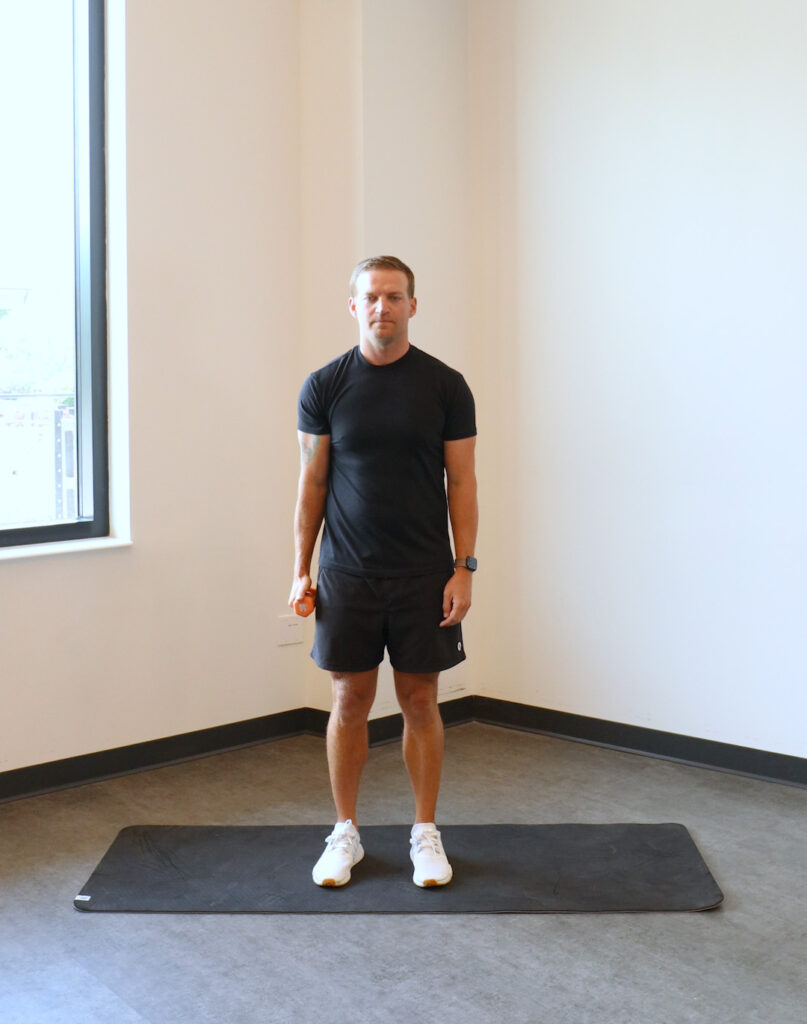
DUMBBELL FRONT RAISE
(Shoulders)
Stand tall with a dumbbell in each hand, arms resting in front of your thighs and palms facing your body. Keeping your arms straight (but not locked), slowly raise both arms in front of you to shoulder height. Pause briefly, then lower back down with control.
3 Sets, 10 Reps. (Materials needed: dumbbells)
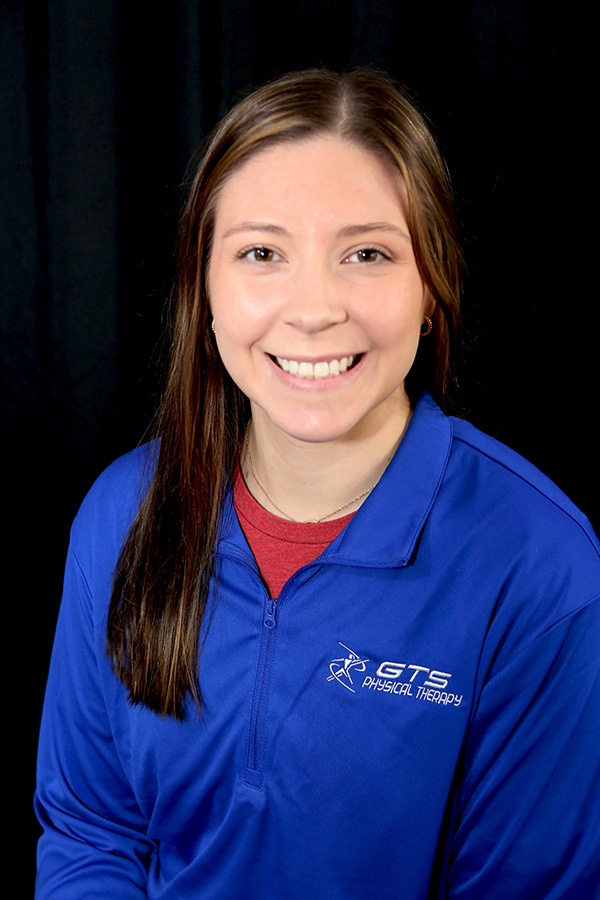
GTS Employee of the Month: Kennedy Cooper
Favorite snack: Ranch Corn Nuts
Go-to weekend activity: Hiking
One thing people don’t know about me: I’ve always wanted to be a forensic psychologist
“Kennedy is a doer in every aspect of the word. If there is a need, she will selflessly give of herself, her time, and her resources to brighten someone’s day, help out her teammates, or make sure others have what they need to be successful It may be in the form of countless movie impressions, keeping up the Joke of the Day, having a secret stash of candy for a patient who just lost their spouse, helping out the PT techs with cleaning, laundry, and mopping so everyone can be done a little earlier, or even giving of her own self to ensure a kid has a solid pair of shoes for winter. Kennedy is genuine and kind but also direct and honest. Patients and colleagues alike respect and cherish her.” -Reannon Russell
Strengthening Our Hometown
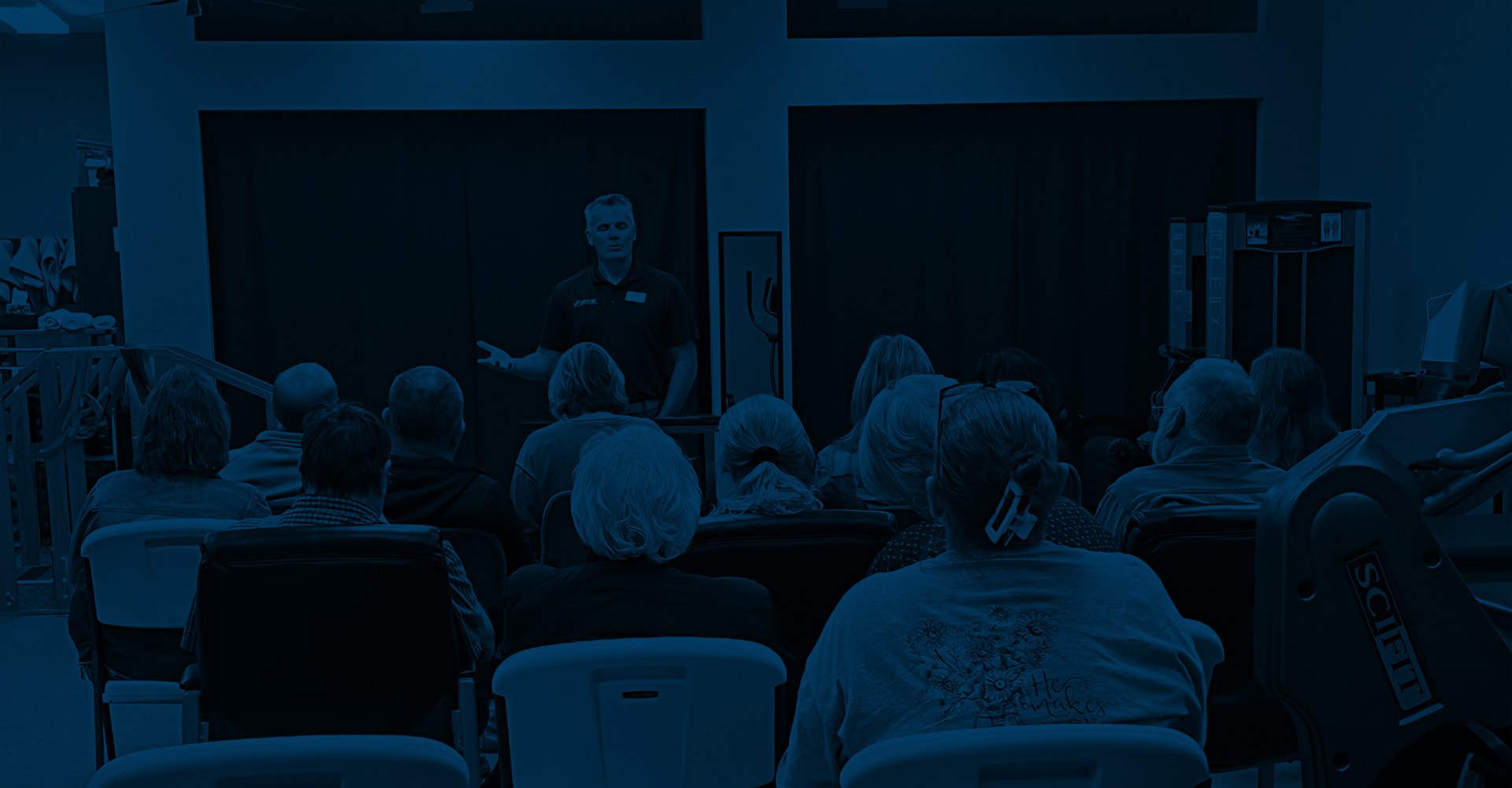
Become strong by attending one of our hometown workshops.
All are welcome, although spots are limited, so sign up today!
Pocahontas, West Plains, Paragould, Jonesboro, Mountain Home, Bentonville
April 21 – Peripheral Neuropathy
Highland
April 21 – Rotator Cuff
Contact GTS Physical Therapy To Schedule An Appointment
We will work with you at GTS Physical Therapy to accommodate your needs by providing the most advanced rehabilitation strategies and injury prevention programming.
For more information, contact us today!
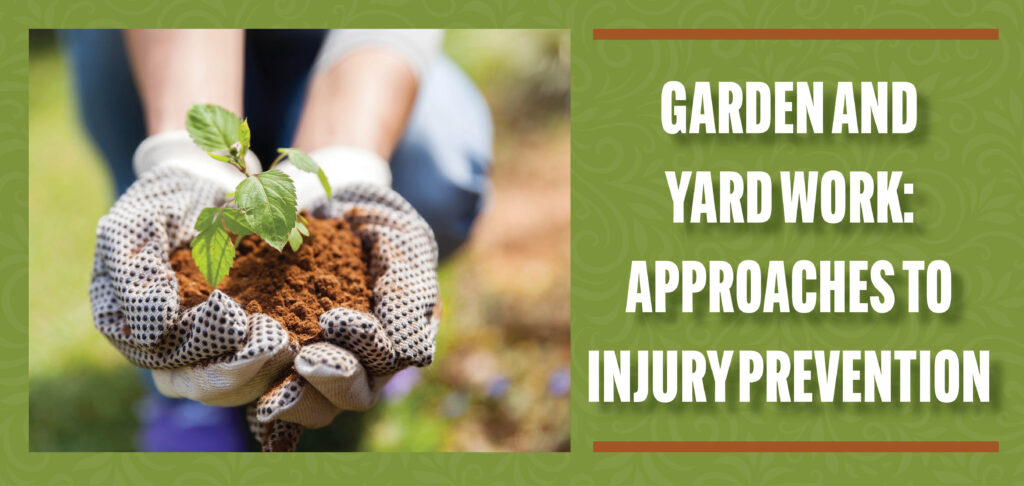
Spring has sprung, and many are eager to get their hands dirty in the garden or yard. However, these activities can put an unexpected strain on your body if you’re not prepared. Try these tips to keep you gardening longer while minimizing your risk for injury.
Movement Prep:
Gone are the days of old-school static stretching. Instead, use a dynamic warm-up to prep your muscles and joints for gardening.
Spinal Health:
Incorporate ‘active breaks’ every 20 minutes to reset your spine. Or alternate between working up high (like trimming bushes) and down low (like planting flowers). This gives specific muscle groups a break and reduces the risk of overuse injuries.
Neuromuscular Control:
Practice exercises that engage both your brain and muscles, like balance exercises to avoid trips and falls over uneven terrain or gardening tools, making it easier to navigate through your garden.
Utilizing these cutting-edge approaches can ensure a physically fulfilling and injury-free gardening season, allowing you to fully enjoy the fruits (and flowers) of your labor.
Happy Gardening!

Seasonal Recipe: Best St. Patrick’s Day Crock Pot Irish Stew
This Crock Pot Irish Stew is a hearty, comforting classic that’s perfect for celebrating St. Patrick’s Day. Slow-cooked and full of rich flavor, it’s an easy, cozy meal to enjoy with family and friends. 🍀
Ingredients:
- 2 lbs beef chuck roast, cubed
- 2 large potatoes, peeled and diced
- 2 cups diced carrots
- 1 envelope onion soup mix
- 2 (10¾ oz) cans tomato soup
- 1 soup can water
- 16 oz frozen peas
- salt and pepper, to taste
- parsley, for garnish
Instructions:
- Combine beef, potatoes, carrots, soup mix, tomato soup, can of water, salt and pepper in Crock Pot.
- Cook on LOW 8 hours.
- Add frozen peas and ¼ cup water.
- Cook on LOW 1 additional hour.
- Garnish with parsley.
Start the Journey to An Active Lifestyle Today!
No matter your needs, the physical therapists at GTS Physical Therapy will help you get active in a way that works for you. Call us to schedule your initial consultation!