


How Physical Therapy Helps Pelvic Health
Are you living with symptoms you find difficult to talk about? Perhaps you’re struggling with incontinence, sexual dysfunction, or endometriosis. Maybe you’ve developed a pelvic organ prolapse.
While these conditions can sound scary, they’re very treatable. Unfortunately, they often stem from issues related to pelvic health, and many people will live with pain and discomfort due to uncomfortable sharing their concerns.
At GTS Physical Therapy, we want to change that. Our physical therapists frequently help people manage their pelvic health, offering private rooms and a judgment-free zone where you can share your symptoms and get the treatment you need.
Today, we want to explore pelvic health: what it is, how it can impact your life, and how our physical therapy services can help improve it.
Still have questions? Our friendly staff is happy to answer them. We’re just a phone call away!
Strengthening Our Hometown
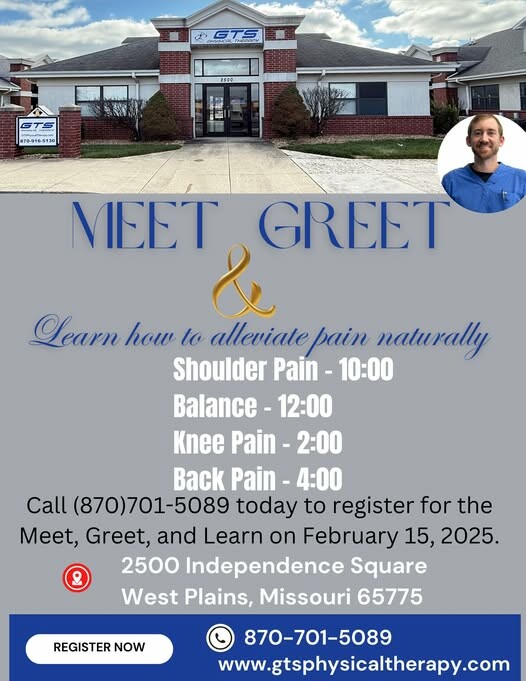
Become strong by attending one of our hometown workshops. All are welcome, although spots are limited, so sign up today!
February – Neuropathy: February 18th at 4:00 PM
March – Knee Pain: March 18th at 4:00 PM
April – Balance: April 15th at 4:00 PM
What is Pelvic Health?
Pelvic health encompasses everything related to bowel, bladder, sexual, and reproductive function.
Everyone has a pelvis, and pelvic health affects all people—men, women, and children. When issues arise in any of these areas, they can significantly impact a person’s quality of life and overall well-being.
- Problems such as urine or stool leakage and pain during sex can be both devastating and isolating, negatively affecting individuals, families, and communities.
- Recovery from pelvic health problems should start with conservative treatments like lifestyle changes and pelvic floor muscle training.
- Medications and surgery are typically reserved for more severe cases or for those who do not respond to initial conservative measures.
What Do We Mean by Pelvic Health?
Your pelvic floor is a sling of muscles at the base of your core. It acts as a “hammock” for your pelvic organs, including your bladder, bowels, prostate (in men), and sexual organs (in women). When the pelvic floor is healthy, it supports those organs and helps them function properly. But when it becomes impaired–such as being weak or overly restricted–you can experience several different symptoms.
Anyone can experience issues with their pelvic floor, although the exact concerns can vary somewhat with gender. Here are some of the common complaints we help treat:
Urinary Incontinence
- Anyone can develop urinary incontinence, although it is more common in women. This can include stress incontinence (leaking when laughing or coughing), urge incontinence (having an overwhelming need to go), or a combination.
Pelvic Pain
- Pelvic pain can have a variety of causes, from nerve issues to gynecological conditions like endometriosis. We’ll help determine the cause and find the right treatment option for your needs.
Sexual Dysfunction
- For women, sexual dysfunction can include painful intercourse or difficulty with orgasm. For men, it can include erectile dysfunction or painful ejaculation. But either way, pelvic floor impairment is often the culprit.
Pelvic Organ Prolapse
- This occurs when the pelvic organs slip out of place. It can affect both men and women and develops due to weakened pelvic floor muscles.
Pregnancy/Postpartum Discomfort
- The changes that occur in your body during pregnancy can lead to pelvic and lower back pain, urinary incontinence, and other musculoskeletal concerns.
Hometown Strong 2025
We want our community to have a say in our monthly donation program. Watch this video for more info!

Staff Spotlight
Colby is from Melbourne, Arkansas, and graduated from Melbourne High School in 2018.
In 2021, he earned his Bachelor’s degree in Exercise Science from Arkansas State University. He went on to receive his Doctorate of Physical Therapy from A-State in 2024. He is also certified in Dry Needling.
Colby married his wife, Sarah, in 2022. They currently reside in Jonesboro. In his free time, he enjoys hunting, fishing, watching sports, and spending time with friends and family.

Breakthrough’s 2024 Practice of the Year
While our GTS team members were in Orlando, Florida attending the Breakthrough Conference networking with clinics and professionals across the country to maximize effective and efficient patient care, GTS was named Breakthrough’s 2024 Practice of the Year.
What Treatment Options Do We Offer?
Treatment for pelvic health concerns varies depending on the cause. That’s why our team will spend your first session taking your health history, reviewing your symptoms, and running several screens so we can provide you with the interventions you need.
Here are some of the common treatment options we use to improve pelvic health:
Pelvic Floor Exercises
- We’ll show you tailored exercises designed to stretch and strengthen your pelvic floor muscles–and ensure you’re performing them correctly.
Biofeedback
- Biofeedback uses technology to help you “see” what’s going on inside your body. This is especially true for the pelvic floor, an internal muscle that can be harder to control.
Manual Therapy
- Certain hands-on pain relieving techniques, such as myofascial release, can help ease muscle tension that can contribute to pelvic pain and dysfunction.
Electrical Stimulation
- Electrical stimulation (sometimes called TENs) uses a mild electric pulse to improve pelvic muscle function and reduce pain.
Bladder Training
- If you’re dealing with urinary incontinence (especially urge incontinence), bladder training can help you go longer between bathroom breaks.
Lifestyle Modifications
- We’ll help you find lasting relief by addressing other factors that might contribute to pelvic floor dysfunction, such as regular exercise, nutrition, and more.
Sources: https://www.ncbi.nlm.nih.gov/pmc/articles/PMC8182461, https://link.springer.com/article/10.1007/s40141-020-00273-5
Exercise of the Month
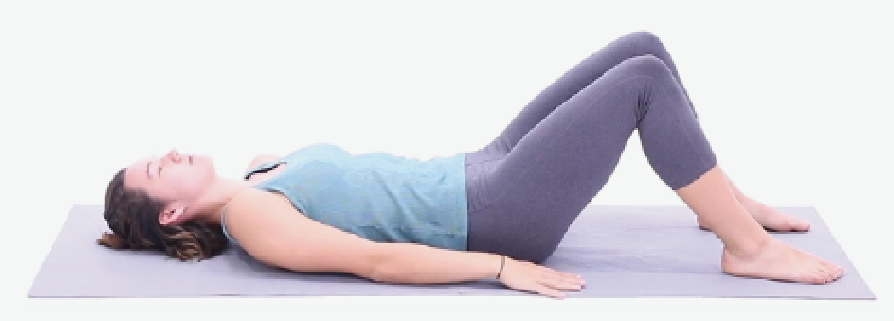
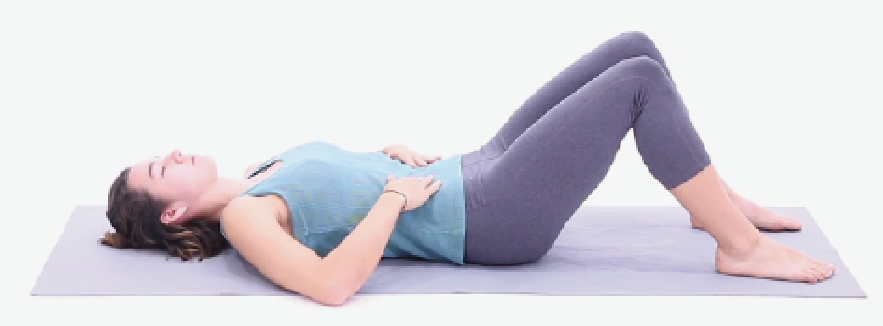
Abdominal Bracing with Pelvic Floor Contraction
2 Sets | 1 Reps | 30 Second Hold
Start by lying on your back with your knees bent. Contract your pelvic floor muscles. Gently draw your belly button in toward your spine to brace your inner abdominal muscles. Hold as directed. Make sure to keep your back straight and do not hold your breath. Continue as directed by your provider.

Ready to Get Started?
At GTS Physical Therapy, we understand how challenging it can be to live with pelvic floor dysfunction. Worse, many people will suffer for years due to the shame surrounding common symptoms related to poor pelvic floor health.
We want you to know there’s nothing to be ashamed of–and our physical therapists have heard it all! Take control of your health and well-being, starting with your pelvic health. All of our clinics offer pelvic health services – click the button below to make your appointment!

Feel Better by Eating Better!
Juicy Baked Chicken Breast
- 4 (7 to 8 oz) boneless, skinless chicken breasts
- 2 tsp olive oil
- 1 tbsp chili powder
- 1 tsp parsley flakes
- 1/2 tsp salt
- 1/2 tsp black pepper
- 1/2 tsp garlic powder
- 1/2 tsp onion powder
- 1/2 tsp cumin
Pre heat oven to 425 degrees F. Line a baking sheet with foil and spray with non-stick spray. Place the chicken breasts between two sheets of parchment paper and pound to an even thickness. Drizzle both sides of chicken with olive oil. Combine seasonings and sprinkle generously over both sides of the chicken breasts. Bake for 20 minutes. Remove from oven and cover loosely with foil for 5 minutes before slicing.